
Branch & Merge Wayfinding
Reframing and de-risking a structural IA problem before scaling

Branch & merge introduced parallel states into a system originally built around a single version of truth.
As adoption grew, developers weren’t always sure:
Which branch they were operating in
How branch views connected to the broader application
Where actions like merging actually lived
This wasn’t about unclear labels. The underlying hierarchy no longer matched how developers reason about branching.
If we kept layering features on top, the confusion would only grow.
The problem
To understand the friction, I audited the experience as a fresh set of eyes and mapped where orientation broke down.
From there, I reframed the problem as a structural one and proposed a clearer hierarchy.
To pressure-test the idea, I built an interactive prototype and walked external developers through real-world scenarios. I wanted to validate the structure with people who hadn’t already adapted to our system.
What I worked on
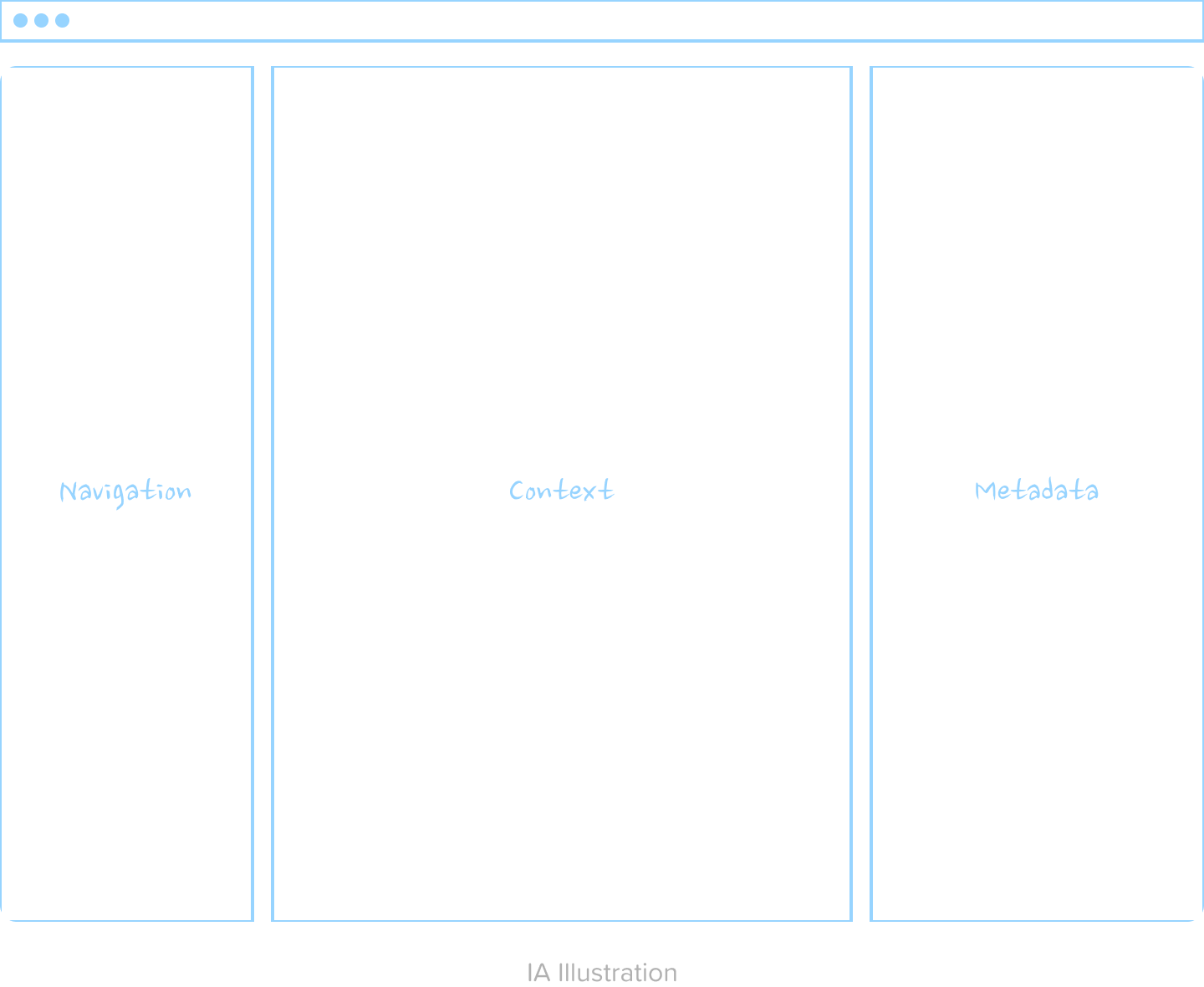
Fix the foundation first. Prioritize structural clarity over feature expansion.
Make branch context explicit. Users should always know where they are.
Separate navigation from metadata. Reduce noise and cognitive load.
Validate outside the bubble. Test with developers who reflect broader mental models.
Key Decisions
Developers could orient themselves without explanation
Engineers aligned around a structure that would scale more cleanly
The team shifted from “add more features” to “stabilize the foundation”
Outcome
Branching fundamentally changes how users think about state and responsibility.
This project reflects how I approach complex systems:
Diagnose root causes instead of polishing symptoms
Make ambiguity tangible through prototypes
Reduce long-term risk before scaling
Help teams converge on durable decisions